

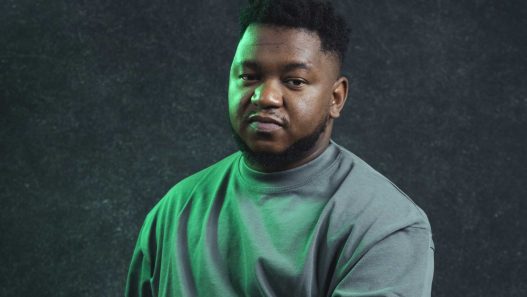

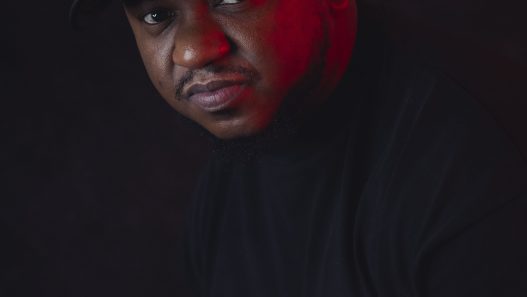


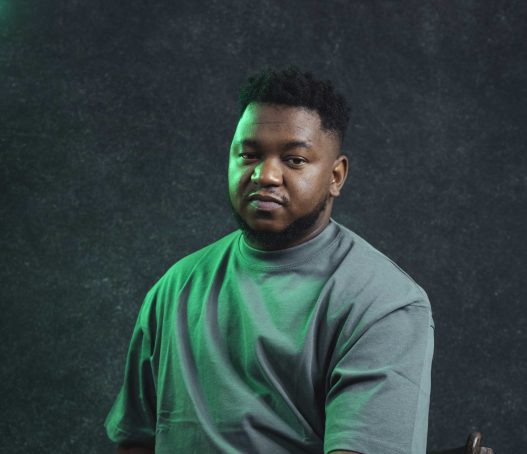
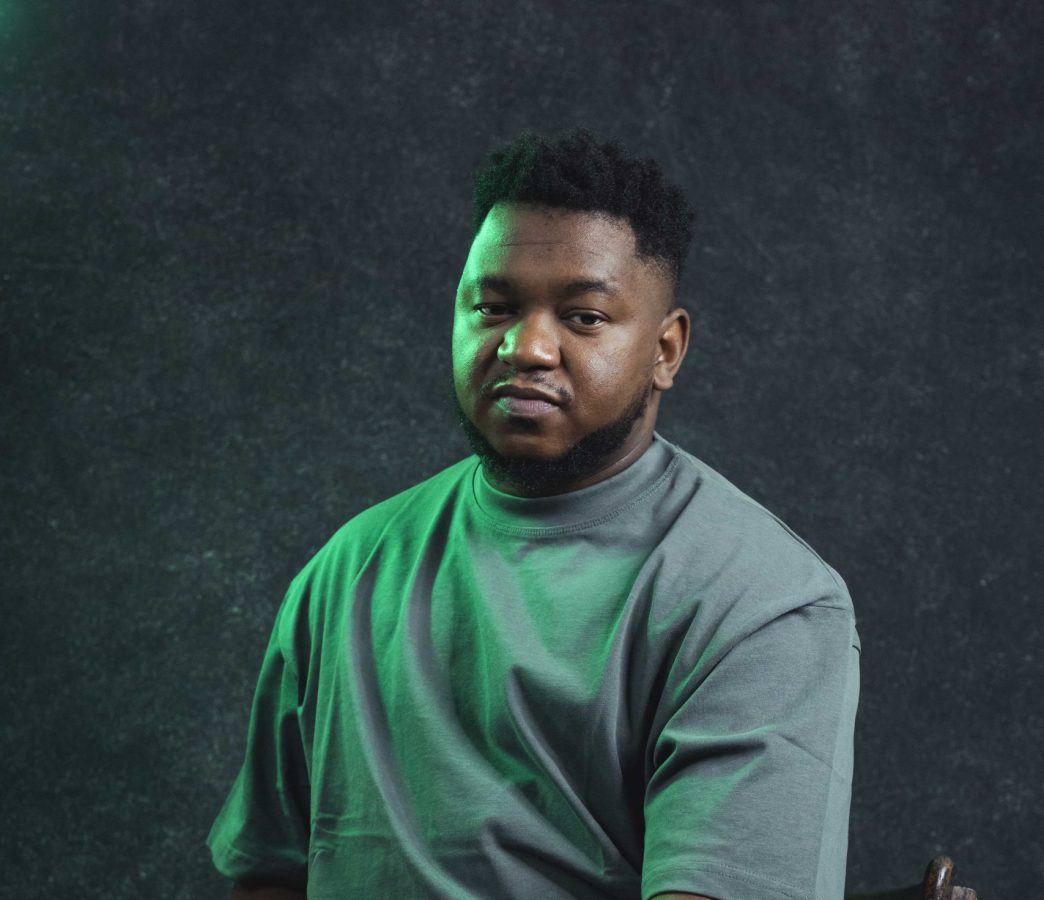
Nitefreak emerged as a trailblazer from Zimbabwe, reshaping the global Afro House and Afro-Progressive House scene with his signature sound. Since his self-taught beginnings in 2009, he has turned raw ambition into worldwide recognition. His Gold-certified remix of Magic System’s ‘Premier Gaou’ with Francis Mercier catapulted him into the spotlight, while collaborations with icons like Black Coffee, RÜFÜS DU SOL, BLOND:ISH, and Grammy-nominated duo Amadou & Mariam have cemented his status as a genre-shaping force. His latest anthem, ‘Negra Soy’ with Zapapaya and La Negra Hawkins on his Afroholic Records label, pulses with powerful vocals, hypnotic percussion, futuristic synths, and a deep, resonant bassline. With support from tastemakers such as Diplo, Keinemusik, Bedouin, Solomun, and Pete Tong, plus Top 5 Beatport rankings and features on Spotify and Apple Music, Nitefreak is championing the rise of authentic African electronic music.
As he gears up to headline Amajoyo presents Afroholic ADE at Soulkitchen Amsterdam for the 30th anniversary of Amsterdam Dance Event, he reflects on his journey, his latest single, and the evolving future of Afro House in the interview ahead.
Hey, thanks so much for sitting down with us today – what’s been the absolute best part of your week so far, music aside? 
I’m in Malaysia at the moment, and it’s been a really good week. We had an amazing show at Club Kyo, and outside music I’ve been playing football, go-karting and just enjoying some downtime. Having time to switch off and have some fun has been the highlight.
What is your Primary Role(s) in Electronic Music? For Example, are you a DJ, vocalist, producer etc.
I’m a DJ and music producer. I also co-founded Afroholic Records, where we support artists and release Afro House music.
What is your preferred main electronic music genre/style, and what makes you resonate with it?
Afro House, with a progressive electronic influence. My sound combines African percussion and grooves with the energy and structure of EDM. That combination lets me bring my roots into the electronic music I love.
If someone wanted to understand the real vibe of you as an artist beyond the music, what’s one story from your everyday life that says it all?
I still go to the local shop in my Crocs to buy bread. People might see the international shows, but at home I’m still Mabhena from Barbour Fields. I don’t see myself as a superstar.
Describe your typical studio/production workflow (e.g., hardware vs. software focus, favorite gear, creative starting point).
My approach is mainly software based: a laptop, headphones and programming ideas in the piano roll. FL Studio was what first got me into production. Ideas can start while travelling, but I’m most comfortable finishing records in my studio in Zimbabwe.
Which major music platform (Spotify, Apple Music, Bandcamp, Soundcloud, etc.) generates the most engagement for your work?
Spotify generates the most engagement for my music. Playlist support has helped introduce my sound to new listeners and grow my audience internationally.
Do you prefer performing Live Sets (using hardware/controllers to manipulate sound) or DJ Sets (mixing tracks)? Why?
DJ sets. I enjoy responding to the crowd and seeing how the energy changes. Playing records to an audience also teaches me things about my productions that I wouldn’t discover in the studio alone.
What’s one underrated production skill you wish more electronic artists focused on?
Developing your own musical identity. Learning from other producers is valuable, but copying a successful sound isn’t the same as creating something that people recognise as yours.
Do you see AI as a threat to musicians, a helpful collaborator, or something else? How do you plan to keep your music relevant as the industry changes rapidly because of these tools? By embracing AI, avoiding it, or taking a different approach?
I’m cautious about allowing algorithms to take over the creative process. I value making music through my own ideas and the human connection it creates. My focus is on developing an original sound and making records that people feel.
If you are a producer, how often do you utilize generative AI tools (e.g., for mastering, sample generation, synth patching, etc.) in your current process?
None at all everything I do is off Human touch
What is the single biggest challenge facing electronic music artists in the next 5 years?
Building a sustainable career. Artists need to benefit properly from their work, and good music needs business support behind it. Talent alone isn’t enough without access to the right infrastructure and opportunities.
How would you describe your creative process when a new beat or synth line first clicks?
When an idea connects, everything can start flowing naturally. With my “Ode Ireti” remix, the vocals immediately inspired a bassline. Once I started building that, the other elements followed, and the piano chords made me realise I had something special.
What’s the toughest technical or industry obstacle you’ve faced as an electronic artist?
Starting out in Zimbabwe meant limited access to equipment, infrastructure and industry connections. Getting the music beyond those borders took work. Running a label brought another learning curve, especially understanding publishing and sync.
If you could revisit one decision from your artistic journey and do it differently, what would it be?
I don’t regret pursuing music. But the advice I’d give my younger self is to trust my own sound earlier and spend less time trying to sound like other people and read my contracts correctly I missed out on a lot of things because of contract terms.
What’s your current favorite piece of electronic gear or plugin that you can’t stop playing with in the studio?
I use FL Studio stock plugins makes life easier and there are good sounds.
If you could change one thing about the modern music industry overnight, what would it be?
I’d make sure artists benefit fairly from their craft. Creators should be able to earn a sustainable living from the music they make.
What’s one unexpected influence, maybe from outside music, that keeps showing up in your work?
Travel and experience different cultures. Being in different places introduces me to new perspectives, languages and ideas. Film is another source of inspiration, so it isn’t always another record that starts the creative process.
Stream ‘Negra Soy’:
Follow Nitefreak:
Website – Instagram – Facebook – X – Soundcloud – TikTok – Youtube – Spotify